Childbirth is one of the most powerful and transformative experiences in a woman’s life. While it brings immeasurable joy, it also introduces a series of physical changes that can take time — and patience — to recover from. Among the most common yet often overlooked postpartum issues are bladder problems. Many new mothers experience urine leakage, increased frequency, or a sensation of incomplete emptying of the bladder. Though these symptoms can be distressing, they are far from uncommon, and most importantly, they are treatable.
The pelvic floor undergoes immense strain during pregnancy and delivery. Hormonal shifts, the weight of the growing baby, and the pressure of labor stretch and sometimes injure the muscles and nerves that control bladder function. As a result, the natural balance between support and control within the pelvic region can temporarily collapse, leading to urinary incontinence or urgency. Understanding what’s happening inside the body is the first step toward recovery and regaining full comfort in daily life.
How Childbirth Affects the Bladder and Pelvic Floor
During pregnancy, the uterus expands dramatically, pressing on the bladder and weakening the surrounding tissues. Labor intensifies this pressure — especially in vaginal births, where the muscles and ligaments of the pelvic floor are stretched to their limits. In some cases, small nerve injuries can also occur, affecting communication between the brain and bladder.
Cesarean births, while sparing the vaginal muscles, do not fully eliminate the risk. The pelvic floor still bears the weight of the pregnancy, and hormonal influences like relaxin soften ligaments and muscles, reducing their strength. Additionally, anesthesia and surgical recovery can disrupt normal bladder sensations, leading to temporary retention or overactivity.
All these factors combined can cause:
-
Stress urinary incontinence – leakage when coughing, laughing, or exercising,
-
Urge incontinence – a sudden, uncontrollable need to urinate,
-
Post-void dribbling – a small leak after urination,
-
Frequent nighttime urination,
-
A feeling of heaviness or pressure in the pelvis.
While these symptoms are often temporary, neglecting them can lead to chronic issues later in life.
The Emotional Impact of Postpartum Bladder Problems
Beyond physical discomfort, bladder issues can profoundly affect a woman’s emotional state. Many mothers feel embarrassed, frustrated, or even disconnected from their bodies. They might avoid social gatherings, intimacy, or exercise out of fear of accidents. The mental load of motherhood combined with these physical changes can quickly diminish confidence.
Healthcare professionals emphasize that these symptoms should never be ignored or dismissed as “normal after childbirth.” Seeking help early is a sign of strength, not weakness. Postpartum care should include open discussions about bladder health, just like it does about breastfeeding or mental well-being.
Effective Steps Toward Regaining Bladder Control
1. Reconnecting With the Pelvic Floor
The pelvic floor is at the heart of bladder control. After birth, these muscles often feel “numb” or unresponsive. The first goal of rehabilitation is to restore awareness — to help the woman sense and gently activate those deep muscles again. Simple breathing exercises are often the starting point. By coordinating breathing with subtle contractions, the pelvic floor gradually regains function.
2. Pelvic Floor Exercises
Once the awareness returns, Kegel exercises become a powerful tool. They involve tightening and relaxing the pelvic floor muscles in controlled repetitions. However, correct technique is vital — many women unknowingly engage their buttocks or abdominal muscles instead. Working with a physiotherapist ensures that exercises are done properly and tailored to individual needs.
3. Postural Correction and Everyday Habits
Body alignment plays a surprising role in bladder health. Slouching or leaning forward can increase pressure on the bladder. Physiotherapists teach new mothers how to lift, carry, and move in ways that protect the pelvic area. Avoiding long periods of standing, lifting heavy objects, or holding one’s breath during exertion also supports recovery.
4. Hydration and Diet
Some women, fearing leakage, limit their fluid intake. Unfortunately, this makes urine more concentrated, irritating the bladder and worsening urgency. Drinking adequate water throughout the day and reducing bladder irritants like caffeine, alcohol, and acidic foods can significantly improve symptoms.
5. Using Modern Rehabilitation Tools
Today, modern technology offers additional help. Biofeedback devices, pelvic trainers, and gentle stimulators guide users through effective training routines. They monitor muscle contractions and ensure correct performance, accelerating progress. Reliable pelvic floor rehabilitation products available across Europe provide discreet and efficient support for women rebuilding pelvic strength after childbirth.
When Professional Help Is Necessary
If bladder symptoms persist beyond a few months postpartum, it’s time to consult a specialist. Urogynecological physiotherapists are trained to diagnose and treat pelvic floor dysfunctions. They perform personalized assessments to identify whether the problem is due to weakness, tension, or nerve dysfunction.
Treatment may involve:
-
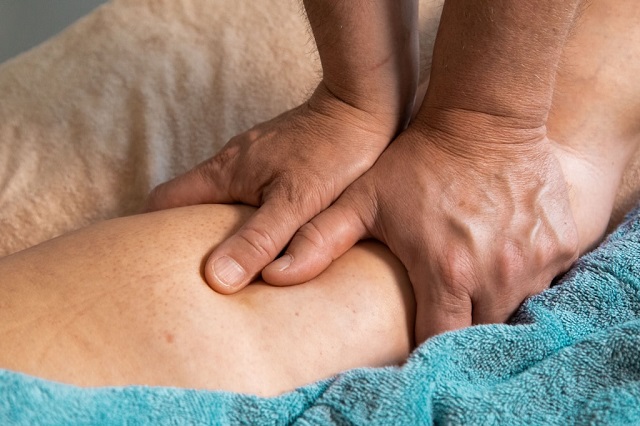
Manual therapy to release muscle tightness or scar adhesions,
-
Biofeedback or electrical stimulation to retrain weak muscles,
-
Bladder training – scheduled voiding to retrain the bladder’s rhythm,
-
Lifestyle modifications to support healing.
In rare cases, where conservative therapy is not enough, medical procedures may be considered. These can include minimally invasive interventions such as urethral bulking or sling surgeries, though they are typically reserved for severe or long-term cases.
The Role of Breathing and Relaxation in Recovery
Breathing patterns are closely linked to pelvic health. The diaphragm and pelvic floor work together — when you inhale, the diaphragm lowers, and the pelvic muscles relax; when you exhale, they gently lift. Shallow or stressed breathing can lead to constant tension in the pelvic floor, hindering recovery.
Relaxation exercises, yoga, or mindfulness techniques can support physical healing by reducing stress and improving muscle coordination. These practices also help new mothers reconnect with their bodies, fostering patience and self-compassion during recovery.
Supporting the Body Through Postpartum Movement
Gentle movement is an essential part of recovery. Low-impact activities like walking, swimming, or postnatal yoga stimulate blood flow and encourage healing. However, it’s important to avoid high-impact workouts — such as jumping, running, or heavy lifting — until pelvic stability returns.
A good rule of thumb is to listen to your body: any sensation of pressure, leakage, or discomfort signals that the body is not yet ready for more intense exercise. Gradual progress is far more effective than pushing too quickly.
The Long-Term Importance of Postpartum Pelvic Care
Postpartum bladder problems, though temporary for many, can have long-term implications if ignored. Strengthening and maintaining pelvic health reduces the risk of future complications such as organ prolapse or chronic incontinence. Regular pelvic floor exercises should become part of every woman’s wellness routine — just like brushing teeth or stretching.
Ongoing check-ups with physiotherapists, especially after multiple pregnancies, can help monitor progress and prevent relapse. The investment in time and care pays off in the form of lasting comfort, confidence, and freedom.
The Renewed Sense of Control and Confidence
Regaining control over the bladder after childbirth is about more than physical recovery — it’s about restoring a woman’s confidence in her own body. Every small step, every exercise, and every mindful breath contributes to rebuilding that trust. With professional guidance, modern rehabilitation tools, and awareness of the body’s needs, comfort and control are well within reach.
Postpartum life can once again be filled with freedom — laughter without worry, exercise without fear, and the quiet confidence of knowing that your body is healing, strong, and capable of anything.